Is it worth buying a gas heating boiler in 2026?

Is it worth buying a gas heating boiler in 2026?
In 2026, buying a gas heating boiler can still be a thoughtful and justified decision. This is especially true in cases where the building already has a gas connection, reliable heating and hot water preparation are needed, and stable system operation during the winter season is important. At the same time, such a decision can no longer be assessed only from the perspective of today's costs - future requirements, energy efficiency, and the system's ability to work together with renewable energy sources must also be considered.
Discussions about the future of gas heating have become much more active in recent years. The direction of the European Union is clear - buildings are gradually moving toward higher energy efficiency and lower dependence on fossil fuels. However, this does not mean that in 2026 a gas boiler is automatically the wrong choice in every case. What matters much more is what type of equipment is selected and in what kind of system it will operate.
Why does gas heating still retain its place?
Natural gas still remains an important part of the energy mix in many countries. In situations where gas infrastructure has already been installed at the property, switching to a modern condensing boiler is often a simpler and financially more understandable solution than a complete reconstruction of the entire system. This is especially relevant for homes and buildings where fast modernization is important without very large initial investments.
In addition, gas heating systems are well known, widely used, and technically predictable. In cold weather or under higher hot water demand, they are able to provide stable output without complex intermediate scenarios. It is precisely this reliability that remains one of the main arguments in favor of a gas boiler for many property owners.
Is a modern gas boiler still economically justified?
If we are talking about a modern condensing boiler, then in many properties it can still be an economically justified solution. Condensing technology uses not only the heat of combustion, but also the energy contained in the water vapor of the flue gases, thereby reducing gas consumption compared to older types of equipment. Modern condensing boilers are capable of achieving very high efficiency and ensuring stable operation in different operating modes.
Of course, the real limit of cost-effectiveness always depends on the specific building. The better the building's thermal insulation and the more accurately the boiler output is selected, the better the result that can be achieved both in terms of consumption and comfort. Therefore, in 2026 the most important question is no longer simply "gas or not", but rather "has the right solution been selected for the specific property".
A gas boiler as part of a hybrid system
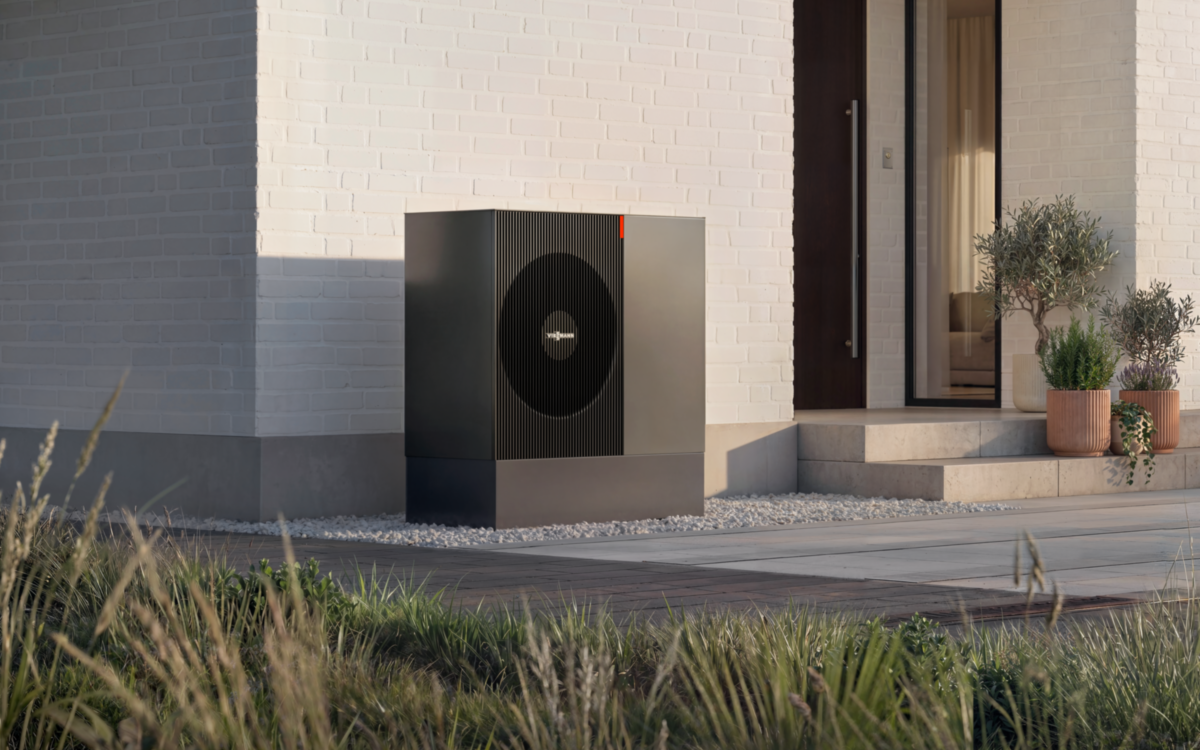
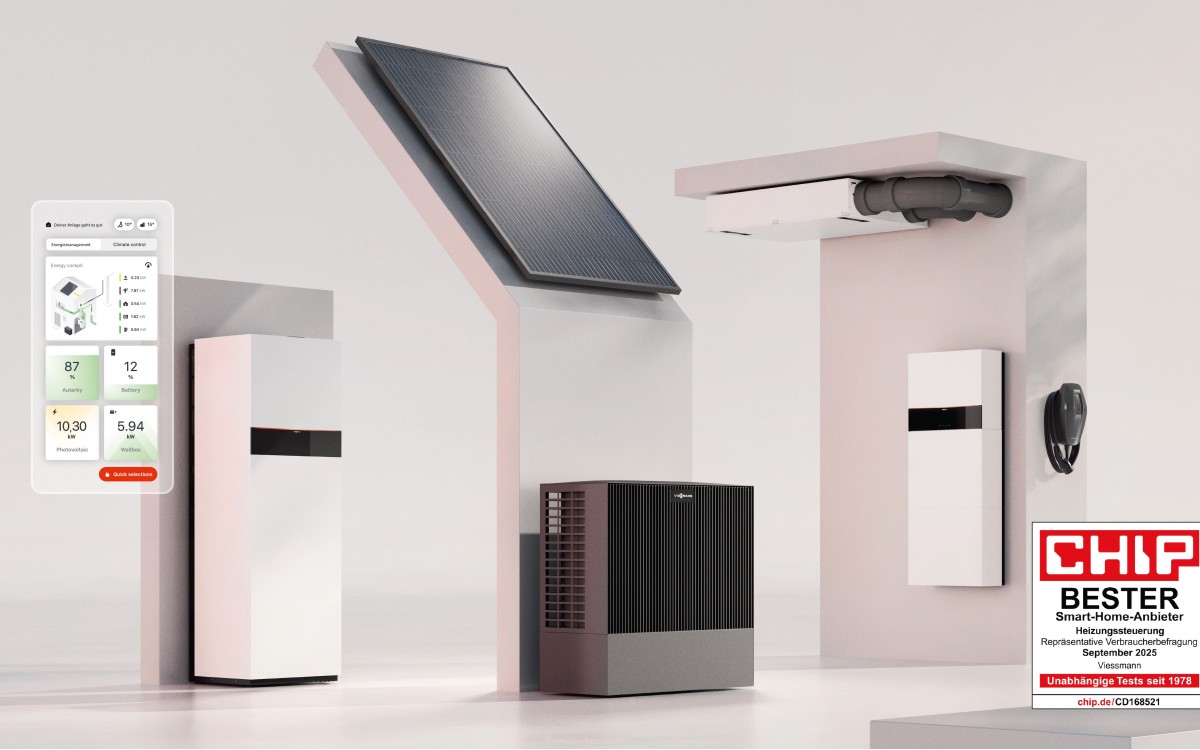
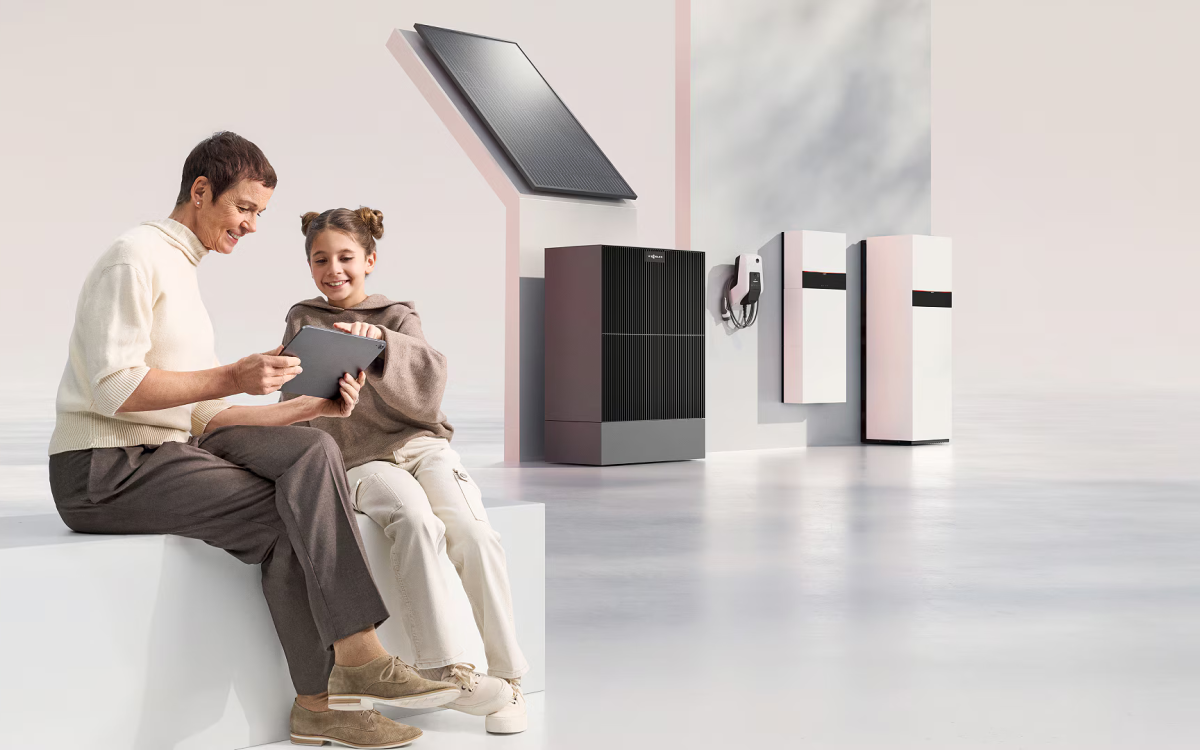
One of the most significant arguments in favor of a modern gas boiler is its role in a hybrid heating system. In such a solution, a heat pump can work as the main heat source in moderate weather conditions, while the gas boiler switches on at moments when higher output, rapid heating, or intensive hot water preparation is needed.
In practice, this means greater flexibility. The owner gets a system that uses renewable energy when it is cost-effective, while at the same time maintaining a safe backup or peak output source. In many cases, it is precisely the hybrid approach that helps connect today's comfort with tomorrow's energy requirements.
What does the new EU direction mean?
It is important to be honest here - European Union policy is moving away from standalone fossil fuel solutions. This means that in the future, greater emphasis will be placed on energy-efficient buildings, renewable energy sources, and heating systems that are able to adapt to new requirements.
This does not mean that gas boilers will no longer be usable, but rather that the choice must be much more carefully considered than before. If a modern condensing boiler is installed in 2026, it is more logical to view it as part of an efficient and flexible system rather than as an old-thinking solution with no future perspective. This is especially important in projects where a hybrid system or gradual modernization is planned.
Are modern gas boilers ready for the future?
Modern gas condensing boilers are developed with a focus on higher efficiency, lower consumption, and better compatibility with modern heating control solutions. Some units are already adapted to work with changes in natural gas composition, which may become increasingly relevant in the future.
However, it is important to maintain a balanced perspective. Readiness for future changes in energy carriers does not in itself yet mean that such possibilities will be widely available everywhere in the near future. Still, it does mean that modern units are being designed with long-term flexibility and possible adaptation to new requirements in mind.
When is a gas boiler a logical choice in 2026?
A gas boiler can still be a very reasonable solution if the property already has a gas connection, if reliable heating with stable output is needed, if there is no desire or possibility to carry out a very extensive system reconstruction, or if a hybrid system is being created together with a heat pump. In such cases, a modern condensing boiler can provide a good balance of comfort, costs, and technical reliability.
On the other hand, in cases where a completely new building or a project with a clear long-term focus on zero-emission solutions is being planned, the choice more often shifts toward other technologies. Therefore, the right answer in 2026 is not universal - it depends on the building, the budget, the infrastructure, and the owner's long-term plan.
Conclusion
Yes, in 2026 it may still be worth buying a gas heating boiler - but on one condition: it must be a thoughtful, modern, and property-specific solution. A modern condensing boiler can provide high comfort, good efficiency, and stable operation, especially in modernization projects or hybrid systems.
At the same time, 2026 is no longer a time when gas heating can be viewed separately from the broader energy context. The best solution today is one that works efficiently now and does not lose its logic tomorrow. That is exactly why a professionally selected condensing boiler or hybrid system remains a smart choice in many properties.
Author: viessmann-climatesolutions.com
Blog and news





-1200x750w.png "Viessmann One Base")